
North Sea oil and gas: part of the solution, not the enemy
Europe is in another energy price shock, and we’re relearning a hard truth: you can’t transition away from energy you don’t securely have. For the UK and EU, that still means a lot of oil and especially gas, with the North Sea sitting at the centre of that reality.
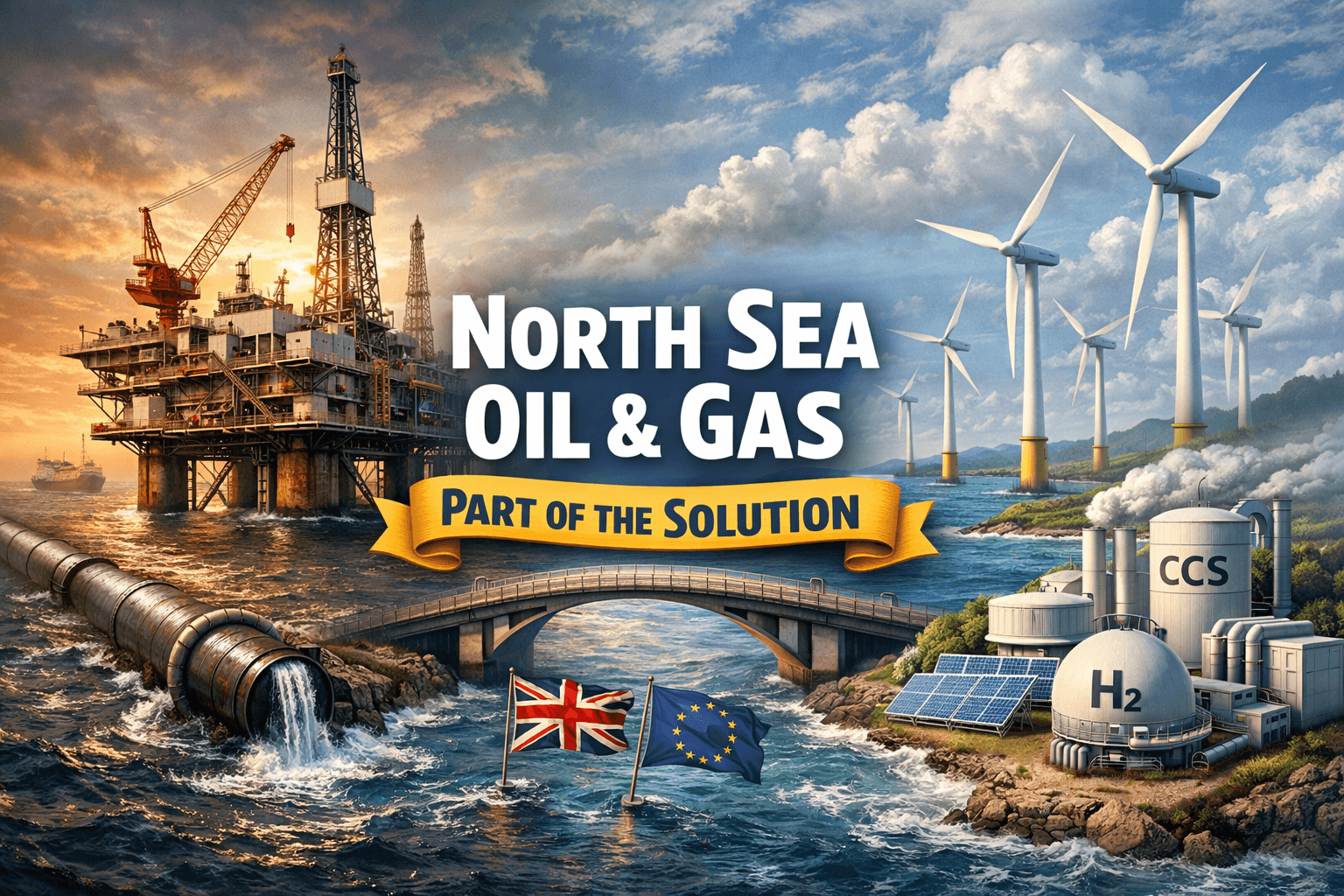
Europe is in another energy price shock, and we’re relearning a hard truth: you can’t transition away from energy you don’t securely have. For the UK and EU, that still means a lot of oil and especially gas, with the North Sea sitting at the centre of that reality.
“More North Sea” isn’t a 1980s exploration boom. It’s:
- Sweating existing hubs with infill wells and tie‑backs
- Extending safe life on core infrastructure
- Using local molecules to cut exposure to volatile LNG and fragile chokepoints
If we refuse to use our own basin, demand doesn’t magically vanish we just import more, often with weaker standards and less control over price or emissions.
The credible path is a “managed bridge” time bound, infrastructure led projects, stable rules, and a visible link between upstream cash flows and building the next system (offshore wind, CCS, hydrogen, grids).
The North Sea becomes a strategic buffer that buys time and funds the transition, rather than a growth story that delays it.
For those of us in Aberdeen, Stavanger and across the supply chain, this isn’t theory it’s what will shape projects, hiring and investment this decade.
Do you see North Sea oil and gas today as part of the problem, part of the solution, or both?
More in Industry Trends

Build your perfect CV
Use AI to create system-optimized resumes that land interviews. Free to start.
Get Started Free