
If the ceasefire collapses tomorrow, Aberdeen changes overnight.
That’s not a forecast. That’s a planning scenario.

Brent peaked near $120 during the war. Analysts at Macquarie are now openly talking about $200 a barrel if the Strait of Hormuz stays shut.
And it puts Aberdeen back at the centre of the conversation in a way the city hasn’t been since 2014.
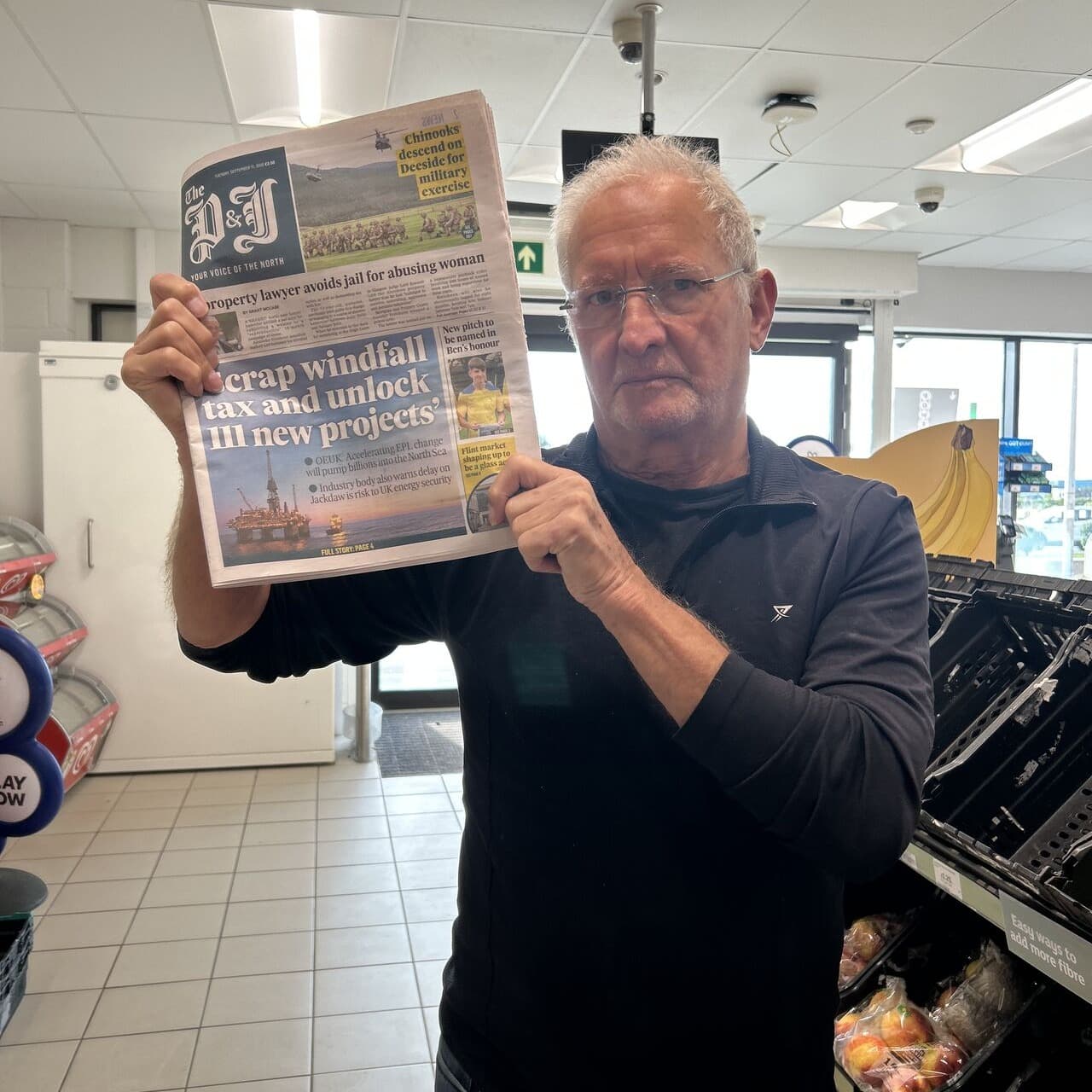
The political ground was already shifting before the ceasefire. The Chancellor said publicly she’d back both Jackdaw and Rosebank. Unite has called for urgent increases in North Sea production. Offshore Energies UK is warning Westminster about energy security.
If the war resumes, that conversation accelerates from a debate into a policy decision. Rosebank gets approved.
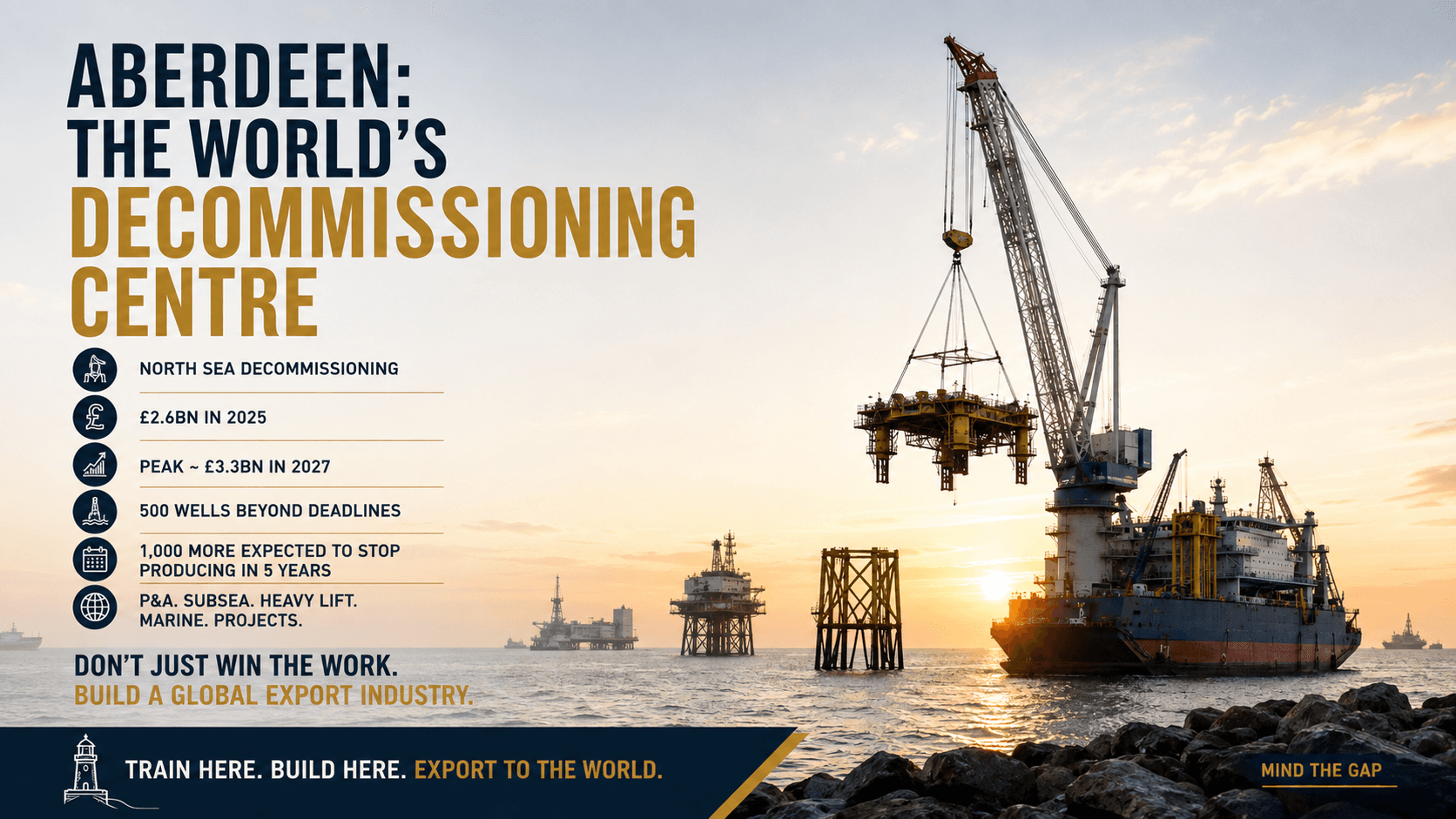
The windfall tax gets reformed. New licences flow. Decommissioning timelines get pushed .
Why? Because no government survives a sustained energy shock by lecturing voters about net zero.
For contractors in Aberdeen, this is the strongest market in over a decade. Day rates rise. Project sanctions come fast. Operators direct source because agencies can’t keep up.
The North Sea isn’t growing. The basin is still mature, still in long-term decline. But projects are about to get sanctioned at a pace we haven’t seen in years and the contractors who position themselves directly with operators before the roles hit the boards are the ones who’ll capture it.
That’s the window.
The question isn’t whether the work is coming back to Aberdeen.
More in Industry Trends

Build your perfect CV
Use AI to create system-optimized resumes that land interviews. Free to start.
Get Started Free